
I love this work, and I take the method seriously
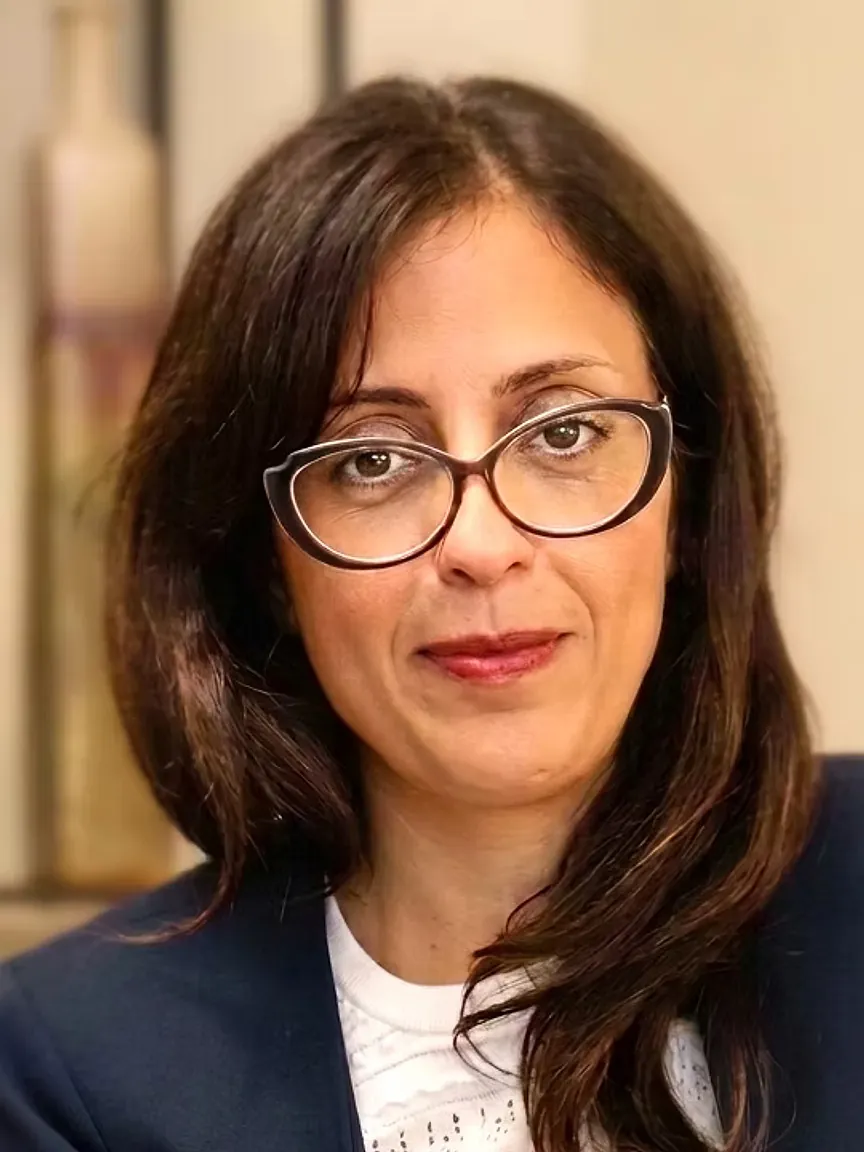
I am Dr. Keren Shemesh, a licensed clinical psychologist (PSY 29817) in Mountain View, California. I treat anxiety, OCD, depression, and trauma in adults, teens, and children — and I work with parents directly when a child will not come themselves.
People usually arrive having already tried something. Often they have spent a year or two in supportive talk therapy that felt good and changed very little. What was missing was rarely effort. It was a method matched to the problem.
- Ph.D. Clinical Psychology
- California License PSY 29817
- UPenn CTSA advanced training
- TEAM-CBT · Feeling Good Institute
- ERP for OCD & Anxiety
- CBIT for Tics
- Habit Reversal Training for BFRB
- EMDR & Prolonged Exposure
- SPACE certified for parents
- International OCD Foundation
- Adults · Teens · Children
Background
Where the training came from
Specialization is not a marketing word in this field. For OCD and trauma especially, where a clinician trained changes what they can do.
Undergraduate
B.A. in Psychology & Buddhist Studies
Naropa University
An unusual pairing that shaped how I think about attention, suffering, and change — and why I insist that rigorous method and genuine warmth are not in tension.
Graduate
M.A. & Ph.D. in Clinical Psychology
Institute of Transpersonal Psychology, Palo Alto
Doctoral training in assessment, diagnosis, and psychotherapy, with supervised clinical work across the Bay Area.
Advanced training
Center for the Treatment and Study of Anxiety (CTSA)
University of Pennsylvania
Specialist training in exposure-based treatment at the institution where Prolonged Exposure and much of modern ERP were developed. This is the training that most shapes my work with OCD and trauma.
Ongoing
TEAM-CBT & EMDR
Feeling Good Institute · EMDR Institute
Continuing training in measurement-driven CBT and in childhood anxiety, and in EMDR's bilateral stimulation for anxiety and trauma, plus regular consultation on OCD and trauma cases.
How I practise
Four things I hold to
Method over vibes
You should be able to name the treatment you are receiving and find the research behind it. I will tell you what I am doing and why, every time.
Warmth is not optional
Structure without empathy is just homework. The relationship is one of the most reliable predictors of outcome in the literature, and I treat it that way.
Measured, not assumed
Brief standardized measures every session. If the numbers are not moving, we change the plan rather than waiting politely.
An honest referral beats a bad fit
If your problem is outside my specialty, I will say so in the consult and give you names. That costs me a client and saves you months.
The space
Where the work happens
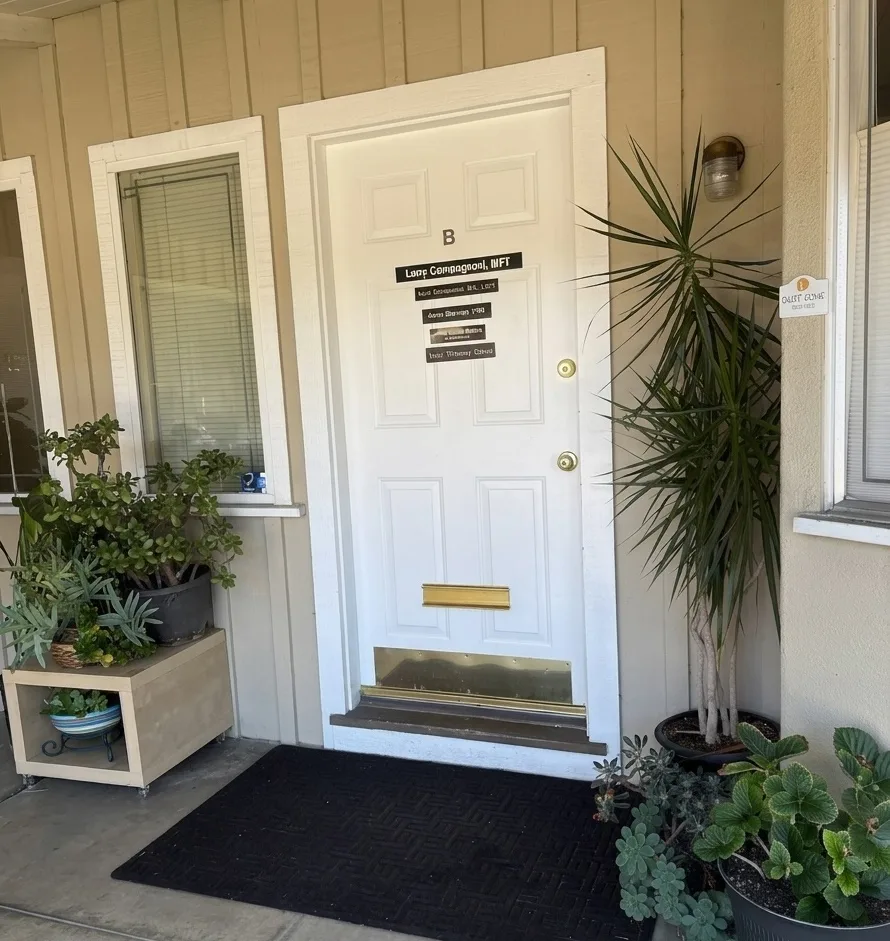
A ground-floor suite on El Monte Avenue with free parking — quiet, plain, and comfortable.


Meet me first
A short introduction, so I'm not a stranger when we talk
A short introduction — who I see, how I work, and what the first sessions look like.
- Who I see: adults, teens, and children
- The methods I use and why they are chosen
- What to expect in the first session
Twenty minutes to find out if this fits
Free, by phone or video. Bring your questions — including the ones about cost and how long this is likely to take.
- 20 minutes, no charge
- Phone or secure video
- No commitment to continue